
Breaking the Rust Barrier: How to Choose the Best Penetrating Fluid for Tough Corrosion
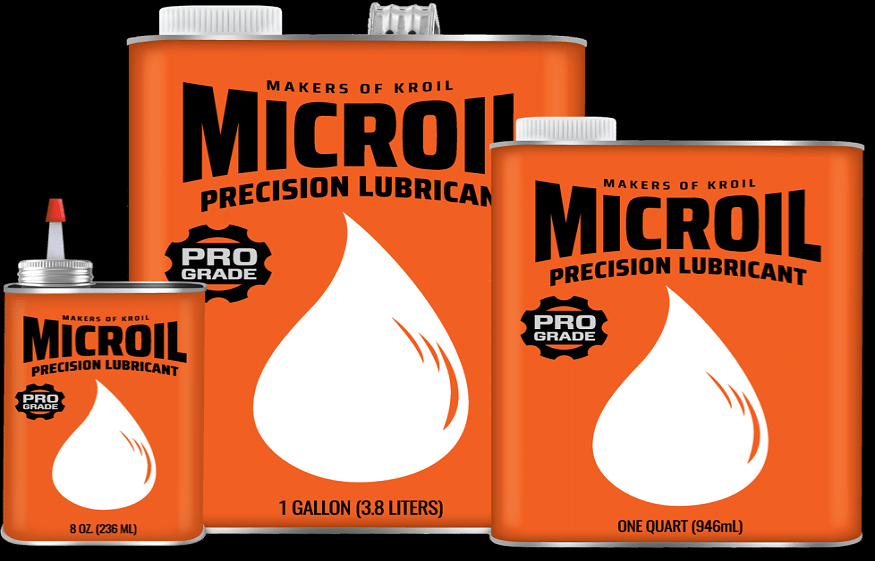
Rust has a way of turning simple repair jobs into frustrating battles. Whether you are working on automotive components, industrial machinery, outdoor equipment, or household fixtures, seized bolts and corroded fittings can bring progress to a halt. When rust bonds metal surfaces together, applying force alone often leads to stripped threads or broken fasteners.
Choosing the best penetrating fluid for tough rust is the key to loosening stubborn components safely and efficiently. However, not all penetrating fluids perform equally under severe corrosion. Understanding what makes a product effective and how to evaluate your needs can save time, reduce damage, and improve long term maintenance results.
This comprehensive guide explains how penetrating fluids work, what features to prioritize, and how to select the best penetrant for rusted bolts in demanding conditions.
Why Tough Rust Requires Specialized Solutions
Rust forms when iron and steel react with oxygen and moisture. Over time, oxidation builds up between metal surfaces, expanding and creating a rough texture that locks threads together. In severe cases, rust fills the tiny spaces between components, creating a powerful bond that resists movement.
Environmental factors such as humidity, salt exposure, and temperature fluctuations accelerate corrosion. Equipment used outdoors or in industrial environments is especially vulnerable.
Read More: What Type of Commercial CCTV Security System is Best for Your Sydney Business?
When rust becomes deeply embedded, ordinary lubricants are not enough. You need the best penetrating fluid designed specifically to seep into microscopic gaps and break down corrosion bonds.
How Penetrating Fluids Work
Penetrating fluids are formulated with low viscosity and high capillary action. These properties allow the liquid to flow into narrow spaces between metal surfaces.
Once applied, the fluid reduces surface tension and travels along threads and joints. Many formulations contain additives that help loosen oxidation and displace moisture. As the rust weakens, friction decreases and the fastener becomes easier to turn.
The effectiveness of the best penetrant for rusted bolts depends on how well it penetrates deeply corroded areas and how efficiently it softens rust without damaging surrounding materials.
Key Characteristics of the Best Penetrating Fluid
When selecting a penetrating fluid for tough rust, focus on performance features rather than marketing claims. The best penetrating fluid typically offers the following qualities:
Low viscosity for deep penetration
Strong rust loosening capability
Moisture displacement properties
Compatibility with multiple metals
Minimal residue buildup
Low viscosity ensures the fluid can move quickly into tight threads. Strong rust loosening properties help break down oxidation layers. Moisture displacement prevents further corrosion after application.
Compatibility is also critical. The best penetrant for rusted bolts should be safe for use on steel, aluminum, brass, and other common metals.
Evaluate the Severity of Corrosion
Before choosing a product, assess the condition of the rusted component. Light surface rust may respond to almost any penetrating fluid. However, heavy corrosion with visible flaking and deep pitting requires a more powerful formulation.
If bolts have been exposed to outdoor elements for years, select the best penetrating fluid specifically designed for severe rust conditions. Industrial environments often demand higher performance products capable of handling extreme buildup.
Understanding the severity of rust helps you avoid underperforming solutions.
Consider the Application Environment
The environment in which you are working also affects your choice. Indoor applications may prioritize low odor and ease of use. Outdoor or marine environments may require enhanced corrosion resistance.
High temperature settings demand fluids that resist rapid evaporation. Cold climates require products that remain fluid and effective at lower temperatures.
Selecting the best penetrant for rusted bolts involves matching product performance to environmental demands.
Application Method Matters
Penetrating fluids are available in various delivery formats, including aerosol sprays and bulk liquid containers. For tight spaces and overhead work, spray applicators provide convenience and precision.
Precision nozzles allow targeted application directly at the base of bolts and threaded areas. Controlled spraying reduces waste and ensures deeper penetration.
Regardless of format, allow sufficient soaking time. Even the best penetrating fluid needs time to travel into microscopic spaces and weaken rust bonds.
Safety and Material Compatibility
Safety should always be part of your decision making process. Many penetrating fluids are flammable and require proper ventilation during use.
Review safety data and follow handling instructions carefully. Wear protective gloves and eye protection to minimize exposure.
Material compatibility is equally important. Some metals are softer and more sensitive to chemical reactions. Ensure the best penetrant for rusted bolts you choose will not stain or degrade nearby surfaces.
Balancing Speed and Patience
In maintenance work, time is often limited. However, rushing the process can lead to broken fasteners and additional repairs.
The best penetrating fluid works most effectively when given adequate soaking time. Light corrosion may respond within minutes, while severe rust may require repeated applications over several hours.
Patience combined with a high quality penetrant increases the likelihood of successful removal without damage.
Testing and Performance Evaluation
If you manage multiple maintenance projects or industrial operations, consider testing different products under real conditions. Observe how quickly each fluid penetrates and how easily bolts can be removed afterward.
Track measurable results such as reduction in applied torque, time saved, and frequency of reapplication. Data driven decisions help identify the best penetrating fluid for your specific needs.
Feedback from technicians can also provide valuable insight into ease of use and overall performance.
Preventing Future Rust Problems
Choosing the best penetrant for rusted bolts is only part of the solution. After successfully removing a seized component, take preventive steps to reduce future corrosion.
Clean threads thoroughly before reassembly. Apply a suitable protective coating or lubricant to guard against moisture exposure. Regular inspection and maintenance reduce the risk of severe rust buildup.
Preventive care minimizes reliance on penetrating fluids and extends equipment lifespan.
Cost Versus Long Term Value
While cost considerations are important, the cheapest option may not deliver the performance required for tough rust. A high quality penetrating fluid can reduce labor time, prevent broken bolts, and minimize downtime.
When evaluating price, consider the total value provided. The best penetrating fluid may cost more initially but save significant time and repair expenses in the long run.
Investing in reliability often leads to greater overall efficiency.
Common Mistakes to Avoid
When selecting and using penetrating fluid, avoid these common errors:
Applying excessive force before allowing adequate soak time
Using a general purpose lubricant instead of a dedicated penetrant
Ignoring environmental and temperature factors
Failing to clean debris before application
Each mistake can compromise effectiveness and increase the risk of damage.
A thoughtful approach ensures better results and longer lasting repairs.
Conclusion
Tough rust presents serious challenges, but the right approach makes all the difference. Selecting the best penetrating fluid involves understanding corrosion severity, environmental conditions, material compatibility, and application requirements.
The best penetrant for rusted bolts should offer deep penetration, strong rust loosening power, and reliable performance under demanding conditions. By taking the time to evaluate your specific needs and allowing the fluid to work effectively, you can loosen even stubborn fasteners without damaging valuable components.
With informed product selection and proper technique, rust no longer has to be an obstacle. Instead, it becomes a manageable part of routine maintenance, ensuring smoother repairs and longer equipment life.
 Accelerate Your Career with an Automotive Course
  Single Cabin Pickup Rentals for Landscaping and Gardening Projects
  Selling Car Online: You Have It Right
 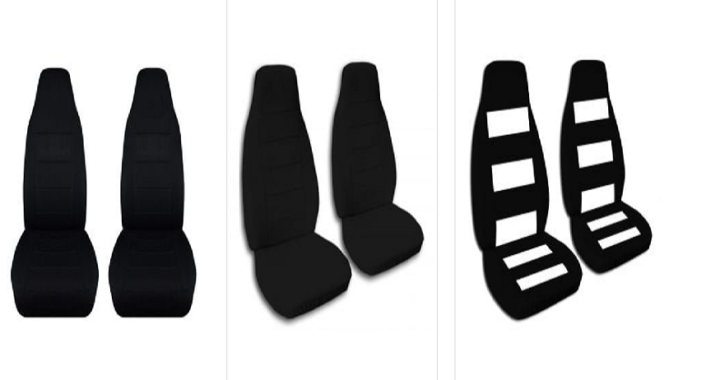 The Complete Guide to Buying the Right Seat Cover for Your Car
  How do people prefer to pass first go driving lessons professionally?
  Ways to find loads for your trucking
 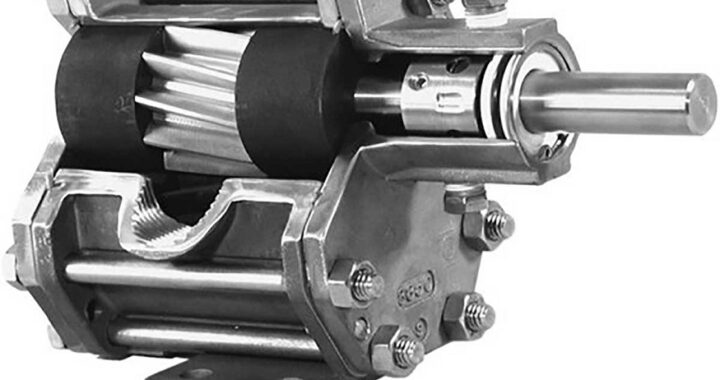 The Critical Role of Precision-Engineered Gear Pumps and Chocolate Pumps in Industrial Manufacturing
  Nepal’s Legendary Treks: Annapurna Base Camp, Langtang Valley, Manaslu Circuit & Tsum Valley Adventure Guide
 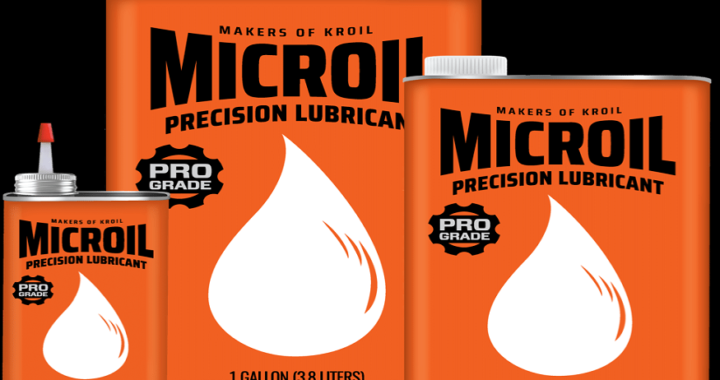 Breaking the Rust Barrier: How to Choose the Best Penetrating Fluid for Tough Corrosion
  How a Healthy Living App Fits Modern Life